Part of Music City Mondays, Nashville: A City on Film and Belcourt 100 Seminars
General Admission: $16 | Belcourt Members: $13
*Ticket includes the seminar and a screening of STORMY WEATHER immediately following at 8:00pm
Nashville’s Black Cinema Culture: A Hidden History of Film From Music City is a one-hour Belcourt 100 seminar uncovering a century of filmmaking by Black Nashvillians whose work has long remained out of view. Placing local cinema culture within the broader social and political history of 20th-century Nashville and the U.S, the seminar examines how African Americans emerged in the moving image during and after Jim Crow segregation.
The talk traces the work of Black actors, writers, directors and exhibitors who lived in or passed through Music City, alongside the theaters and cinemas that nurtured their creative lives. These spaces were not only sites of entertainment, but also centers of community, resistance and connection. The seminar shows how Black filmmakers responded to changing cultural conditions while shaping them in return.
Together, these stories reveal how Nashville functioned as a surprising nexus of Black entertainment culture and early cinema during the last century — a legacy still reflective today. Often overlooked, the city’s Black film culture played a vital role in transmitting ideas, influencing perceptions, and shaping the evolving identity of both Nashville and American cinema itself.
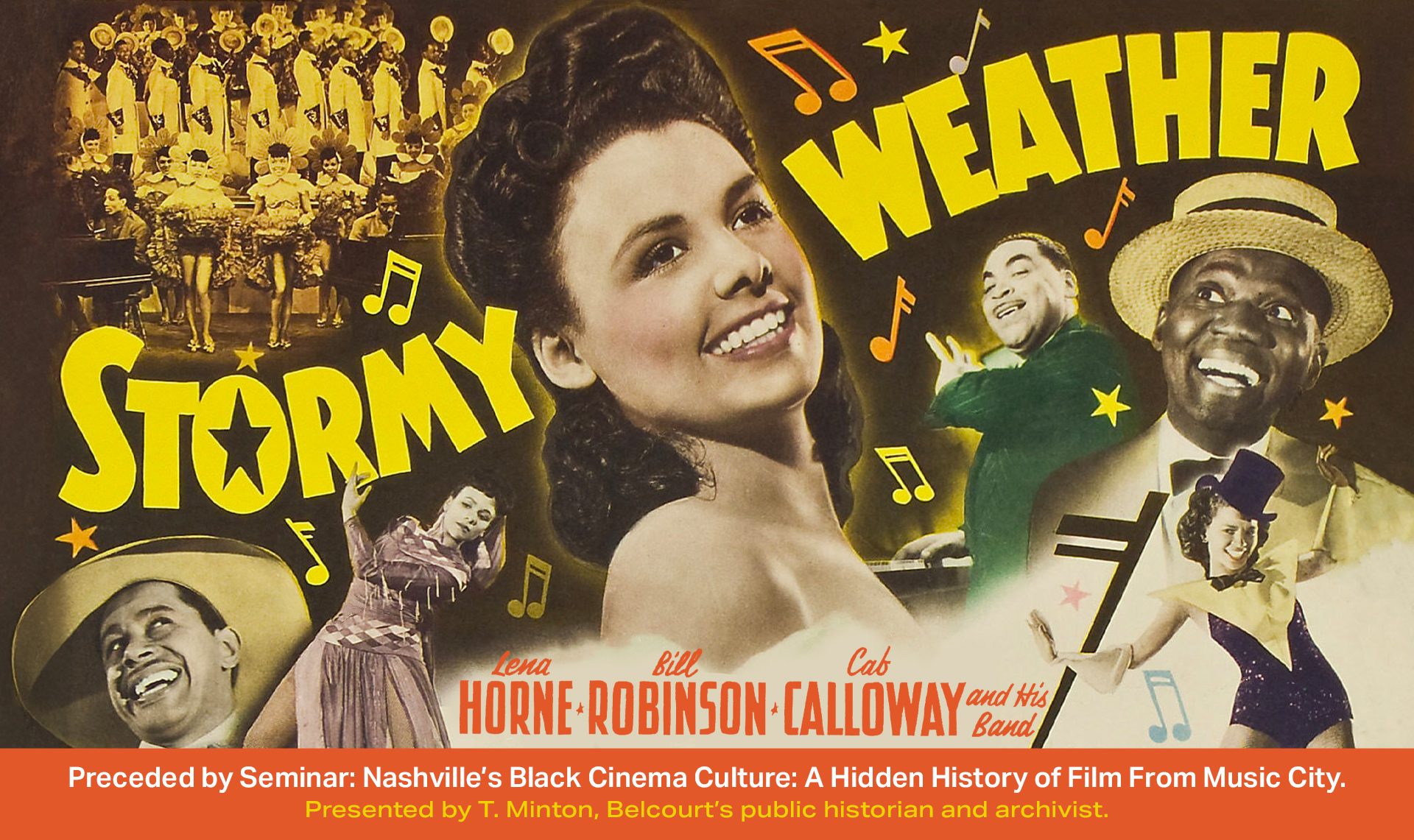
STORMY WEATHER
Dir. Andrew L. Stone | USA | 1943 | 78 min. | NR | 4K DCP
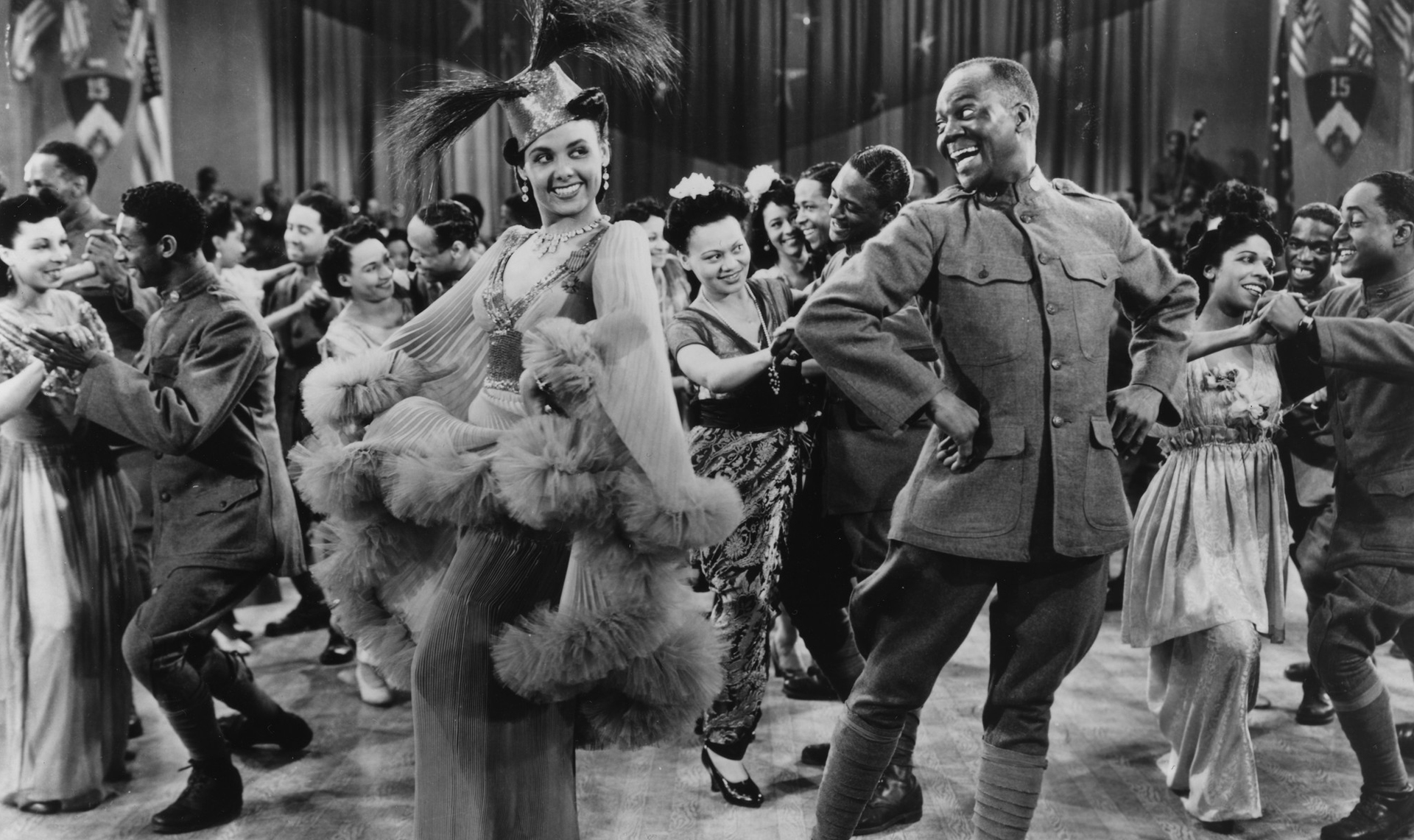
Released during World War II, STORMY WEATHER is a landmark Hollywood musical starring Lena Horne and Bill “Bojangles” Robinson in his final screen role. The film follows dancer Bill Williamson (Robinson) as he recounts his journey from post–World War I obscurity to national fame. Told through flashbacks, the story traces his early struggles, romantic entanglements and a determination to succeed in the competitive world of vaudeville — culminating in a triumphant onstage reunion with his former love, Selina Rogers (Horne).
More musical revue than traditional narrative, the film features nearly 20 musical numbers and an all-Black cast of some of the era’s most celebrated performers: Cab Calloway, Fats Waller, the Nicholas Brothers, Katherine Dunham and her dance troupe, and Nashvillian F. E. Miller. Their performances mark this film as one of Hollywood’s most significant tributes to Black artistry.
The film’s importance is deeply tied to Nashville’s cultural legacy. F. E. Miller, a Fisk University alumnus and vaudeville pioneer, began his career on Nashville’s Black stages. His journey — shaped in the segregated South, like many others in the film — reflects how the city helped develop generations of Black performers who transformed American theater and cinema.