Part of Doctober
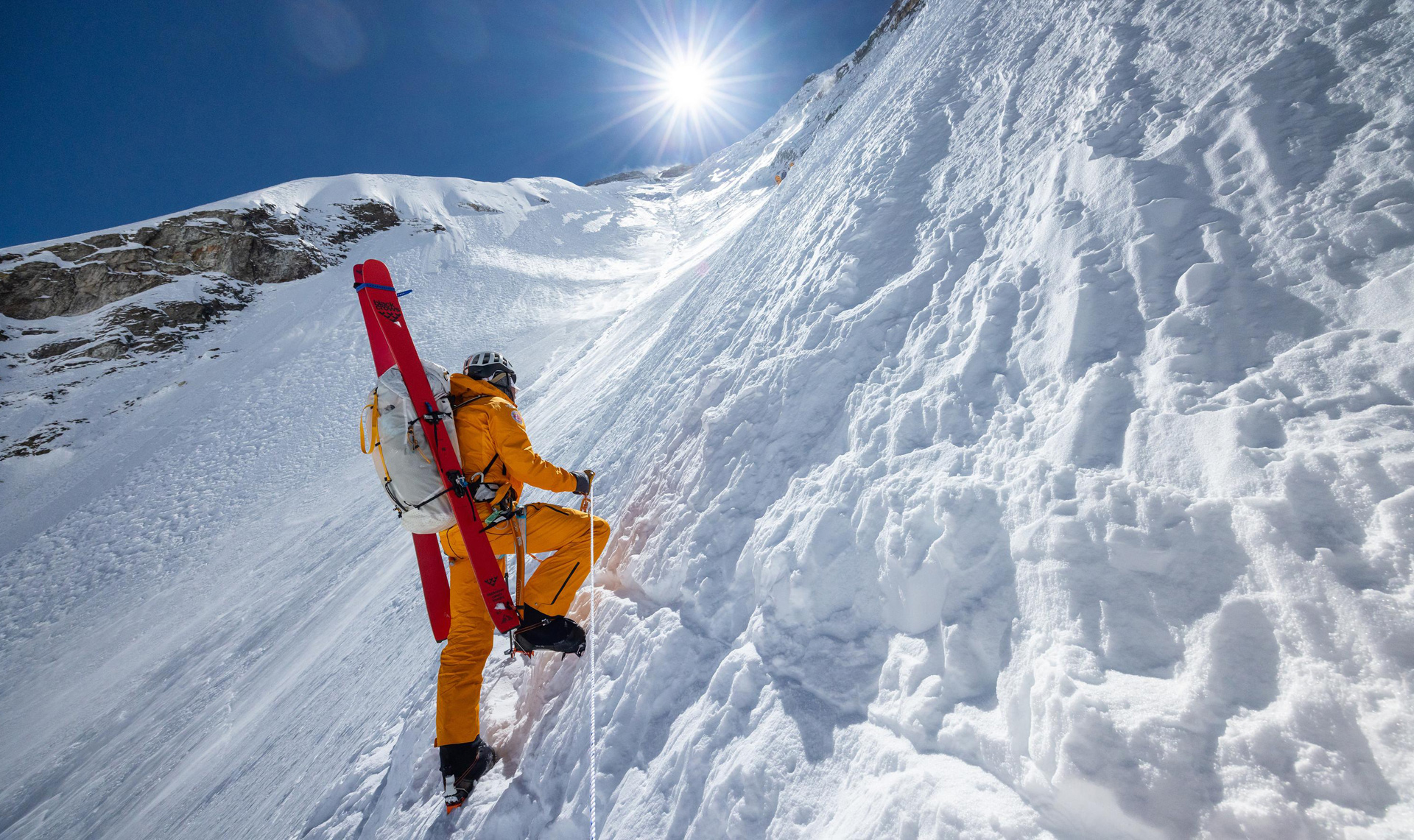
With works including MERU, FREE SOLO and THE RESCUE, the filmmaking team Elizabeth Chai Vasarhelyi and Jimmy Chin have taken the adventure documentary to startling new heights. Their latest, a love story, follows two legendary mountaineers. Hilaree Nelson and Jim Morrison, who trained together to climb the north face of Everest (accomplished only five times prior) and ski down it (never attempted). After a tragedy destroys their plans, the goal lingers. EVEREST: THE OTHER SIDE is simultaneously the most heartbreaking mountain film ever made and the most thrilling, a tale of brutal misfortune, superhuman resilience and heart-pounding courage. The cinematography is historic. Movie cameras have never captured exhilaration, danger and vulnerability as vividly before, nor have the mountains ever looked more awe-inspiring or intimidating. And the film is elevated by a life-and-death urgency, reaching emotional terrain fiction films can’t touch. Quite simply, this is an essential work of cinema and of the human spirit. (Synopsis from the Telluride Film Festival)
“Not the Everest climbing documentary you’re expecting…. Beyond all the extraordinary photography of Himalayan mountain ranges, icy crevasses and plunging couloirs, EVEREST: THE OTHER SIDE is a film about how we choose to live our lives and what it means for those we love.” —Phil de Semlyen, Time Out

“This is not soothing nature-doc viewing, but instead, a clear-eyed stare into the face of death — with a dash of marital angst, too. Chin and Vasarhelyi’s greatest achievement is managing to mine and mount suspense even when the climax is already foretold — and in the bluntly personal, home-hitting terms through which they tell another man’s story.” —Ryan Lattanzio, IndieWire

“What seems, at first, like a thrilling but familiar daredevil documentary soon reveals a harrowing work of self-reflexive cinema that’s as tragic as it is triumphant…. The film never ceases to be visceral and jolting at every turn, yielding a moving, multifaceted experience that needs to be seen to be believed.” —Siddhant Adlakha, The Wrap